
Where to Invest Your First ₹10,000 in India: Calm Steps
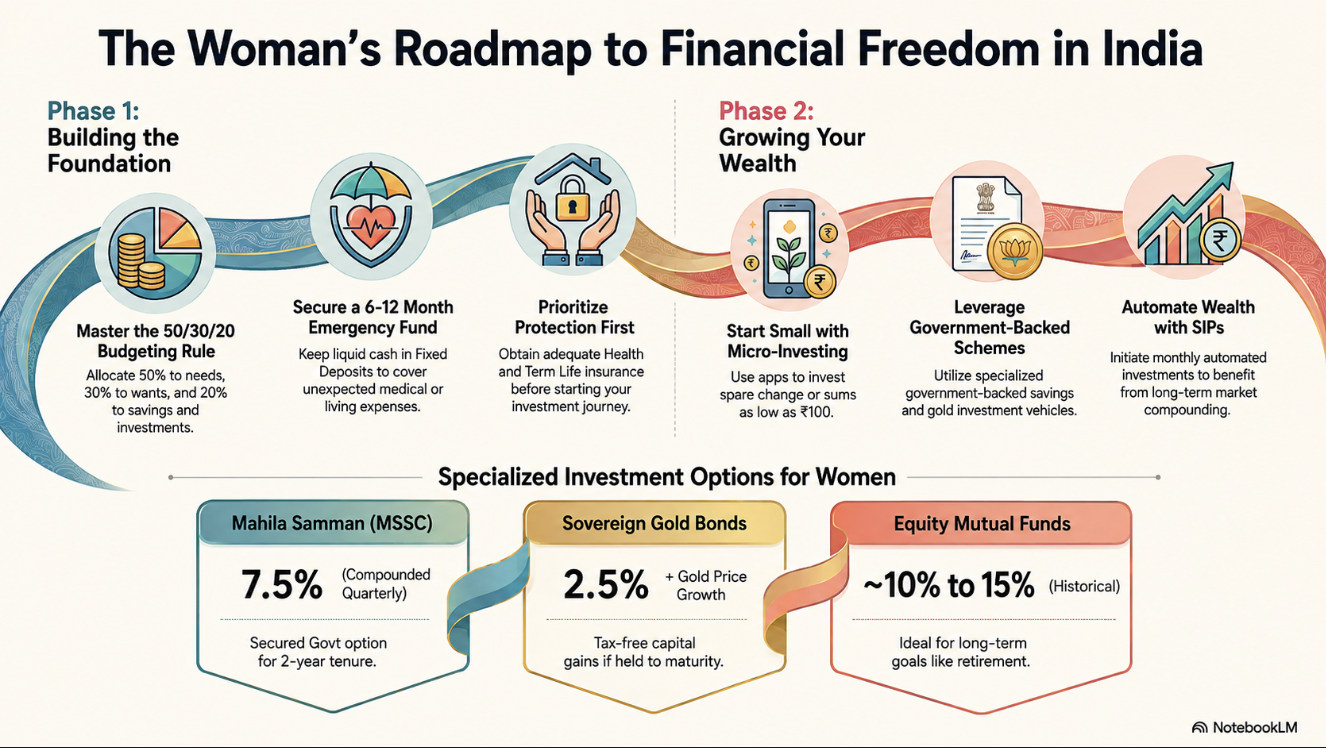
Starting with ₹10,000 doesn't require chasing high-risk shortcuts or complex jargon. What matters most at the beginning is building steady money habits, protecting yourself from sudden shocks, and understanding how different options work before committing cash.
1. Start With Cash Flow and an Emergency Cushion
Before locking money into longer-term avenues, look at your monthly cash flow and emergency readiness:
- Know Your Monthly Rhythm: Using a simple structure like the 50:30:20 approach helps keep essentials, everyday choices, and savings in balance.
- Build a Liquidity Buffer: An emergency fund kept in accessible, low-volatility options (such as a savings account, short-term deposit, or liquid fund) helps you handle unexpected medical or family expenses without resorting to high-interest debt.
2. Look at inflation and Trade-Offs Honestly
Holding cash or familiar assets is comfortable, yet every option comes with trade-offs:
- Purchasing Power Over Time: Cash or fixed deposits that earn modest interest after tax can lose real purchasing power over longer periods when inflation rises.
- Physical Gold vs. Other Avenues: While gold holds cultural value, making charges, spreads, and storage costs can affect net returns—so it helps to weigh liquidity, costs, and purpose clearly rather than relying on one habit alone.
3. Understand Schemes, SIPs, and Diversified Basics
Once your short-term buffer is clear, explore how common options fit different timelines and goals:
- Government-Backed Schemes: Instruments such as PPF, small savings schemes, or women-focused savings certificates have defined rules, tenures, and interest structures worth reading carefully before enrolling.
- Systematic Investment Plans (SIPs): Starting small via SIPs builds consistency and familiarity with market fluctuations over time rather than trying to time markets in one lump sum.
- Keep Core Allocations Grounded: Broad, diversified approaches generally suit long-term goals better than concentrated bets—and personalized product selection or advice belongs with a SEBI-registered investment adviser or licensed professional.
4. Put Protection and Clarity Before Complexity
Good financial wellness is about peace of mind, not rushing into every trend. Make sure basic insurance protection, clear nominations, and calm review habits are part of your foundation so your money stays organized as your life evolves.
Want structured frameworks and checklists to put these steps into practice? Explore WENA Programs, browse practical tools in the WENA Store, or connect with vetted specialists via WENA Implementation Partners.